What to Pack for Northern Morocco (Any Season)
Packing for Northern Morocco requires versatile gear suited to stepped medinas, cooler mountain elevations, and coastal sea breezes. Key essentials across all seasons include supportive closed walking shoes for cobbled alleys, grippy trail shoes for Akchour hikes, breathable modest clothing for medinas, and light insulating layers for cool Rif mountain evenings.
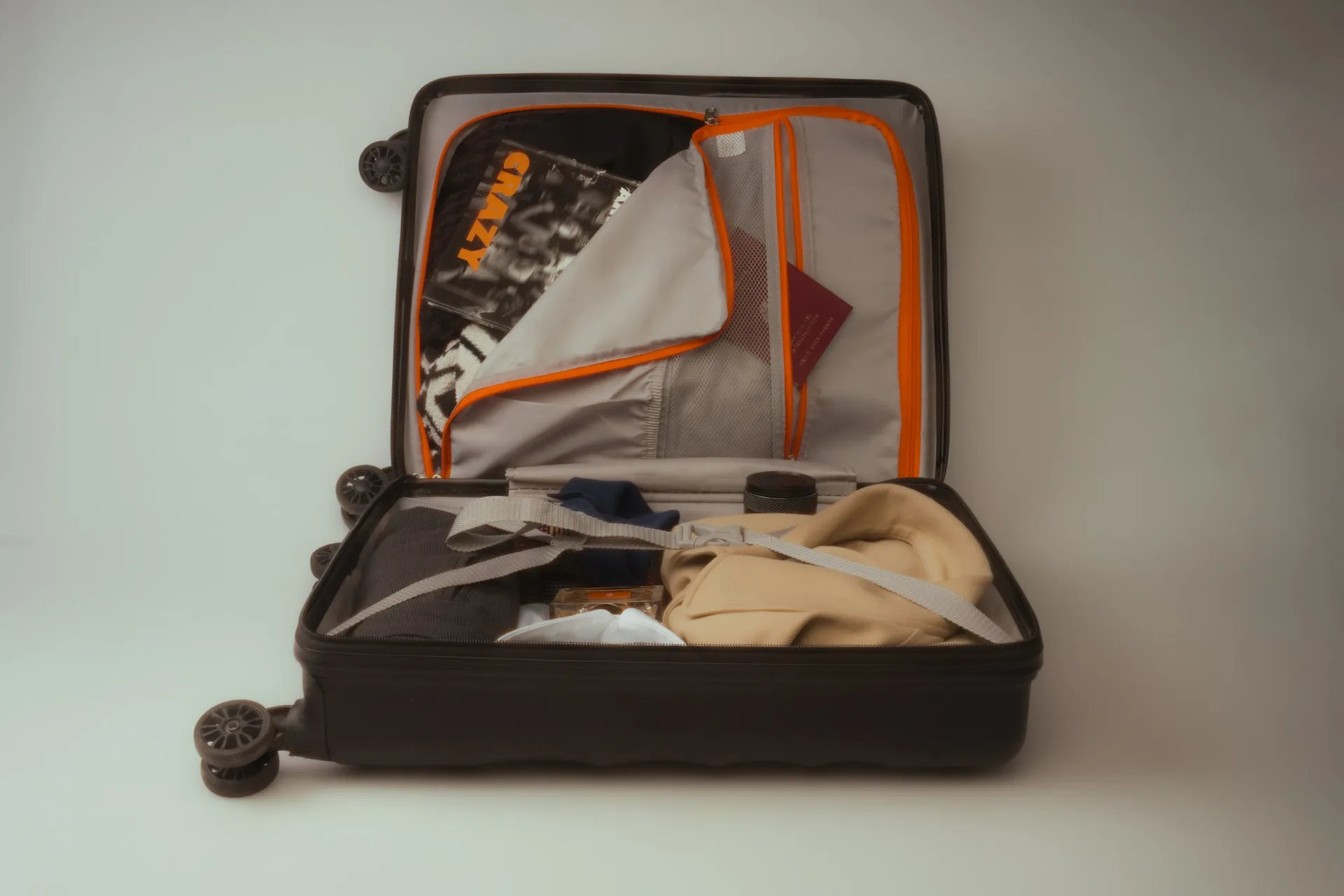
Northern Morocco covers a unique spectrum of microclimates and landscapes. A single week can take you from the breezy Atlantic ramparts of Asilah and Tangier to the limestone peaks and cascading rivers of Talassemtane National Park, before ending in the stepped cobblestone alleys of Chefchaouen and Tetouan. Here is how to pack smartly for every season.
1. Footwear: The essential foundation
Medina streets in Chefchaouen and Tetouan are stone-paved, frequently steep, and filled with centuries-old steps. Supportive, broken-in walking shoes or sneakers with good traction are essential. If your itinerary includes the waterfalls or God's Bridge hike in Akchour, bring dedicated trail shoes with grippy rubber soles — the paths cross slippery river stones and packed dirt.
2. Spring (March to June)
Spring brings green mountain hillsides, mild daytime temperatures (18–24°C), and occasional brisk breezes. Pack light breathable layers for daytime exploration, a light fleece or windbreaker for late afternoon, and a compact umbrella or rain shell for brief spring showers.
3. Summer (July to August)
Summer days are sunny and warm (28–34°C), while coastal towns enjoy Atlantic breezes. Pack lightweight, loose-fitting linen or cotton clothing, sunglasses with UV protection, a wide-brim hat, and reef-safe sunscreen. Even in peak summer, mountain evenings in Chefchaouen and Bab Taza can drop below 18°C, so a light sweater or cardigan is always recommended.
4. Autumn (September to November)
Autumn offers golden light, quiet medinas, and comfortable temperatures (20–26°C). Pack versatile transitional layers, comfortable trousers, and a mid-weight jacket for evenings. November can bring occasional rain across the Rif, so water-resistant footwear is useful.
5. Winter (December to February)
Winter in Northern Morocco is cool and atmospheric, with daytime highs around 12–16°C and nighttime temperatures dipping to 5–8°C in mountain towns (with occasional frost on high peaks). Pack warm layers, thermal undergarments, a warm wool sweater, a water-resistant winter coat, and a scarf for draughty traditional riad courtyards.
6. Cultural etiquette and practical electronics
Morocco is a hospitable and welcoming country. In medinas, religious sites, and rural mountain communities, modest attire covering shoulders and knees is appreciated. Moroccan wall sockets use European Type C and Type E plugs (220V, 50Hz). Bring a universal adapter and a portable power bank for long days of photography.